
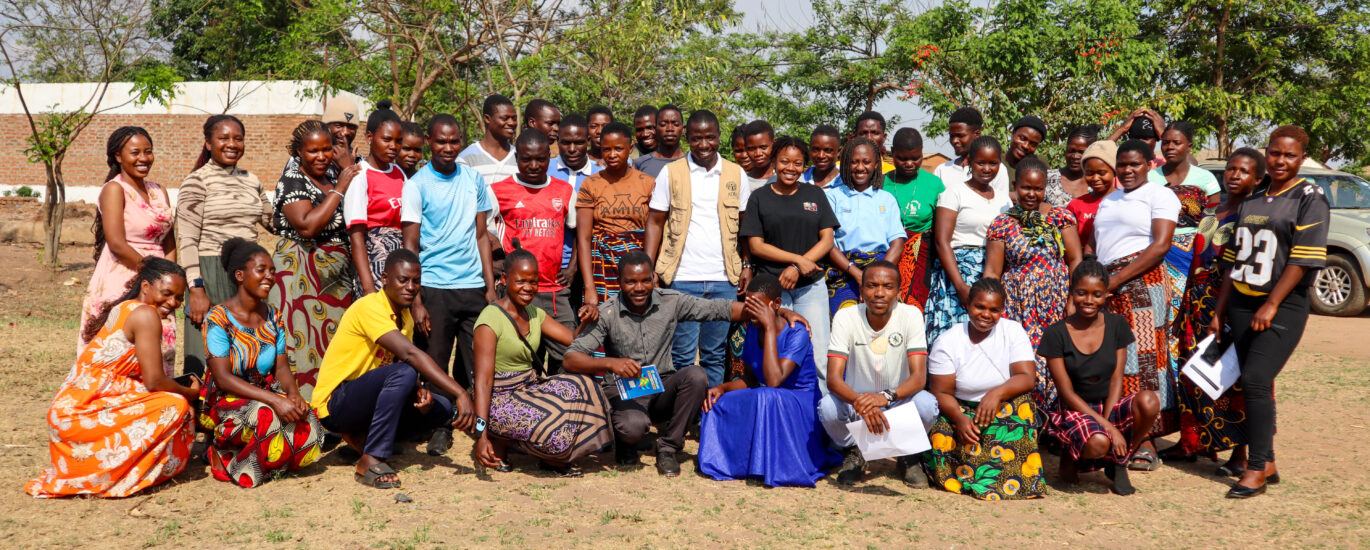
Through youth leadership training under the Transforming Futures project, 36 young people from seven youth clubs across six villages are gaining the knowledge and skills needed to lead their clubs, promote gender equality and pursue economic opportunities.
Young people often have ideas that could improve their lives, start businesses and contribute to the development of their communities. However, without the right knowledge, leadership skills and resources, turning these ideas into reality can be challenging.
In the Njewa area of Lilongwe Rural, Malawi, the Transforming Futures project is working to address this challenge by investing in young people’s leadership capacity, promoting gender equality and supporting economic empowerment. Through community youth clubs, the three-year initiative aims to help young people become confident leaders who can identify opportunities and take an active role in shaping their futures.
As part of this effort, ADRA Malawi conducted a youth leadership training that brought together 36 young people from seven youth clubs across six villages. The training was designed to help participants understand their responsibilities as leaders, manage their clubs effectively and turn their ideas into practical community development initiatives.
According to Syless Kachulu, the project’s coordinator, many youth club leaders are elected by their peers because they are trusted and respected. However, being chosen to lead does not always mean having the skills needed to manage a group, resolve challenges and guide members towards a common goal.
“These are young people who have been selected or elected by their fellow members, but they have never undergone such training on how they can work as leaders,” Syless Kachulu explained.
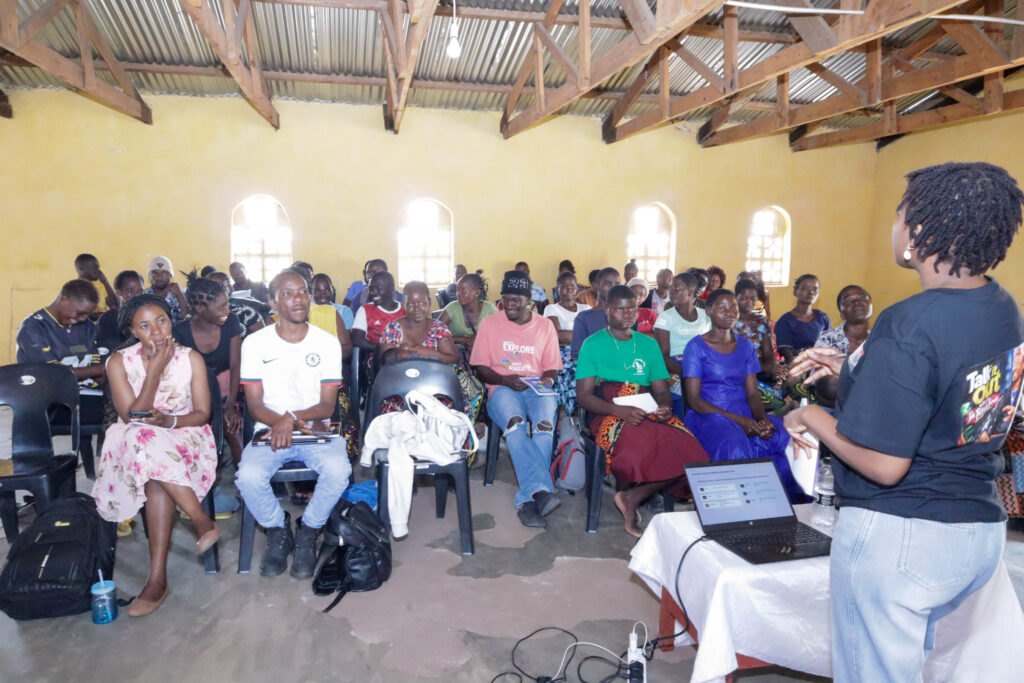
To address this gap, participants received training in leadership, personal development and self-awareness, public speaking, ethical leadership and accountability, gender equality and social inclusion, youth rights and participation, sexual and reproductive health and rights (SRHR), HIV prevention, entrepreneurship, financial literacy, resource mobilization and climate smart agriculture.
The sessions also introduced practical business skills, including developing business ideas, preparing business plans and exploring opportunities to seek grants and other support.
For Sarah Moliyati, chairlady of Mdzela Youth Club from Group Village Head Mdzela, the training offered an opportunity to become a more effective leader and share valuable knowledge with others. She said she intends to take what she has learned back to her community and put it into practice, extending the benefits beyond those who attended the training.
Francis Njoka, a youth club member from Mwamwanjemwa Village, said the sessions had helped participants understand how to lead responsibly and set positive examples through development activities in their communities. He also commended ADRA’s field team for its work supporting young people.
For Mphotso Tembo, secretary of Chikondi Youth Club from Makalani Village, the entrepreneurship training was particularly meaningful. She explained that it had encouraged her to rethink how she manages her small business and consider ways to improve it using the knowledge gained.
The training also drew on the experience of Elizabeth Teleka, founder of Ezel Agro Processors, which produces peanut butter, coated peanuts and other peanut products. As facilitators with experience in youth development and entrepreneurship, they shared insights intended to help participants recognize opportunities, develop business plans and build confidence in their business ideas.
For the 36 young people, the training is an opportunity to move beyond holding leadership positions and begin putting their knowledge into practice. As they return to their six villages, they can share what they have learned, strengthen their youth clubs, improve their business practices and encourage other young people to participate in community development.
The lasting value of the training will be reflected in what participants do next. For Sarah, Francis, Mphotso and their fellow youth leaders, the opportunity is to turn learning into action, transform their ideas into practical solutions and help build stronger, more inclusive and economically empowered communities.